

Skin Types and How to Identify Them: A Complete Breakdown
Understanding your skin type is vital for tailoring your skincare routine and selecting the right products. From oily to sensitive, each skin type requires unique care to maintain its health and radiance.
If you’re wondering how to identify your skin type or need a complete guide to recognising the characteristics of different skin types, you’re in the right place. In this article, we’ll explore the main types of skin and how to identify them accurately so that you can make informed decisions about your skincare.
Why Is it Important to Identify Skin Type?
Your skin type plays a key role in how your skin reacts to products and environmental factors. Whether you’re dealing with acne, dryness, or sensitivity, using products that align with your skin type ensures that you’re providing the proper care. Misidentifying your skin type could lead to ineffective treatments, increased irritation, or imbalances in your skin’s natural barrier.
How Can You Identify Skin Type
The easiest way to determine your skin type is by observing how your skin behaves throughout the day or performing a simple test:
- Cleanse Your Face: Wash your face with a gentle cleanser and pat it dry.
- Wait for an Hour: Allow your skin to rest without applying any products.
- Observe Your Skin: After an hour, examine how your skin feels and looks.
Based on these observations, you can categorise your skin into one of the five main types. Let’s break them down.
1. Oily Skin: How to Identify Oily Skin
Oily skin is characterized by excess sebum production, leading to shine and clogged pores.
Signs of Oily Skin:
- Skin appears shiny or greasy, especially in the T-zone (forehead, nose, and chin).
- Enlarged and visible pores.
- Frequent breakouts and blackheads.
- Makeup tends to slide off easily.
Test Observation:
If your skin feels greasy and you notice a shiny layer after an hour of cleansing, you likely have oily skin.
2. Dry Skin: How to Identify Dry Skin
Dry skin lacks sufficient moisture and natural oils, making it prone to tightness and flaking.
Signs of Dry Skin:
- Skin feels tight, especially after cleansing.
- Rough or flaky patches, particularly in cold weather.
- Dull complexion with a lack of elasticity.
- Fine lines are more noticeable.
Test Observation:
If your skin feels tight and shows no oiliness after an hour, it is most likely dry skin.
3. Combination Skin: How to Identify Combination Skin
Combination skin has characteristics of both oily and dry skin, often requiring a mix of products for balanced care.
Signs of Combination Skin:
- Oily T-zone but dry or normal cheeks.
- Enlarged pores in the T-zone.
- Flaky skin in certain areas, while others remain oily.
- Difficulty finding products that work for your entire face.
Test Observation:
If your T-zone becomes oily but the rest of your face feels normal or dry, you probably have combination skin.
4. Normal Skin: How to Identify Normal Skin
Normal skin is well-balanced with neither excessive dryness nor oiliness.
Signs of Normal Skin:
- Smooth, even texture.
- Few visible pores or blemishes.
- Rarely experiences sensitivity or redness.
- Maintains its balance even with minimal care.
Test Observation:
If your skin feels comfortable, neither tight nor greasy, and has a healthy appearance, it is likely normal skin.
5. Sensitive Skin: How to Identify Sensitive Skin Type
Sensitive skin is prone to irritation and often reacts to environmental triggers or certain products.
Signs of Sensitive Skin:
- Skin feels itchy or tight after using certain products.
- Redness, rashes, or irritation are common.
- Sensitivity to weather changes, like extreme cold or heat.
- Reacts to fragrances or harsh ingredients.
Test Observation:
If your skin easily becomes red or irritated and feels uncomfortable with certain products, it is sensitive.
Additional Tips for Identifying Your Skin Type
If you’re still unsure about your skin type, here are some extra tips to help:
- Monitor Seasonal Changes: Skin can become drier in winter and oilier in summer, so take note of any changes throughout the year.
- Pay Attention to Product Reactions: How your skin reacts to certain ingredients or formulas can reveal your skin type.
- Seek Professional Advice: When in doubt, consult a dermatologist for a professional evaluation.
Benefits of Knowing Your Skin Type
Now that you know how to identify your skin type, here’s why it matters:
1. Effective Skincare Routine
Knowing whether you have oily, dry, or sensitive skin allows you to choose products that specifically target your needs, leading to better results.
2. Prevents Skin Issues
Using the right products minimizes the risk of breakouts, irritation, or dryness caused by unsuitable ingredients.
3. Saves Time and Money
Understanding your skin type helps you avoid trial and error with products, saving you from unnecessary expenses.
Professional Skin Treatments: Why Expertise Matters
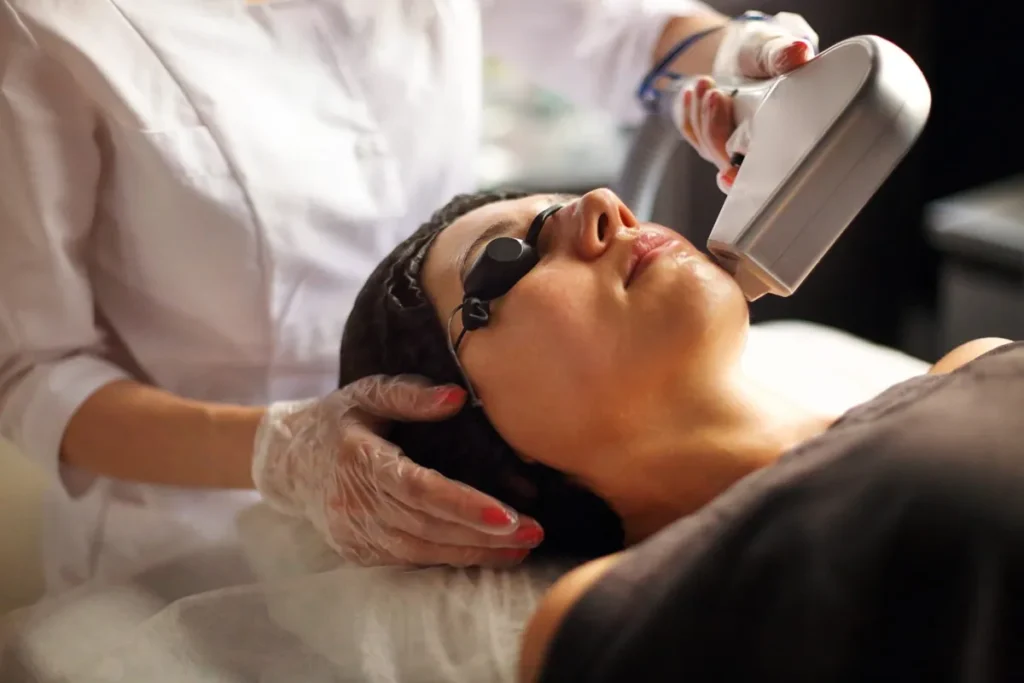
While identifying your skin type is the foundation of good skincare, professional skin treatments can elevate your routine and address deeper concerns like acne, pigmentation, or premature aging. A professional skincare company can provide customized treatments tailored to your unique skin type and concerns.
From hydrating facials for dry skin to advanced exfoliation for oily or combination skin, experts use cutting-edge technologies and dermatologist-approved products to deliver lasting results. Beyond just treatment, they offer expert guidance on maintaining your skin’s health, ensuring it looks and feels its best every day. Trusting professionals allows you to enjoy safe, effective solutions that are tailored to your skin’s needs.
Contacting Avanti Skin Clinic can be a life-changing decision
Experience unparalleled care at Avanti’s Skin and Laser Clinic, the premier destination for personalized skincare in Pune. Led by Dr. Avanti Pedamkar, a renowned aesthetic physician and skin specialist, our clinic offers cutting-edge treatments for acne, pigmentation, anti-ageing, and laser hair removal. Using US-FDA-approved technology, we ensure safe, effective, and transformative results tailored to your unique needs.
Visit Avanti’s Skin Clinic today and take the first step toward radiant, healthy skin. Book your consultation now to discover the best in skincare and laser treatments.
Frequently Asked Questions
How to identify your skin type at home?
To identify your skin type, cleanse your face, wait for an hour, and observe how your skin feels and looks. If it’s shiny, you have oily skin; if it’s tight or flaky, you have dry skin.
How to identify combination skin?
Combination skin typically has an oily T-zone (forehead, nose, and chin) but dry or normal areas on the cheeks. Look for shine and enlarged pores in specific areas while others remain dry or balanced.
What products are best for sensitive skin?
Sensitive skin benefits from gentle, fragrance-free products with soothing ingredients like aloe vera or chamomile. Avoid harsh exfoliants and alcohol-based products.
How often should I assess my skin type?
It’s a good idea to assess your skin type every few months or whenever you notice changes in your skin due to weather, age, or new products.
Can your skin type change over time?
Yes, factors like age, hormones, and lifestyle changes can alter your skin type. For example, oily skin may become drier with age or during colder seasons.