

Skin concern · Aundh, Pune
Eczema Treatment Near You in Pune
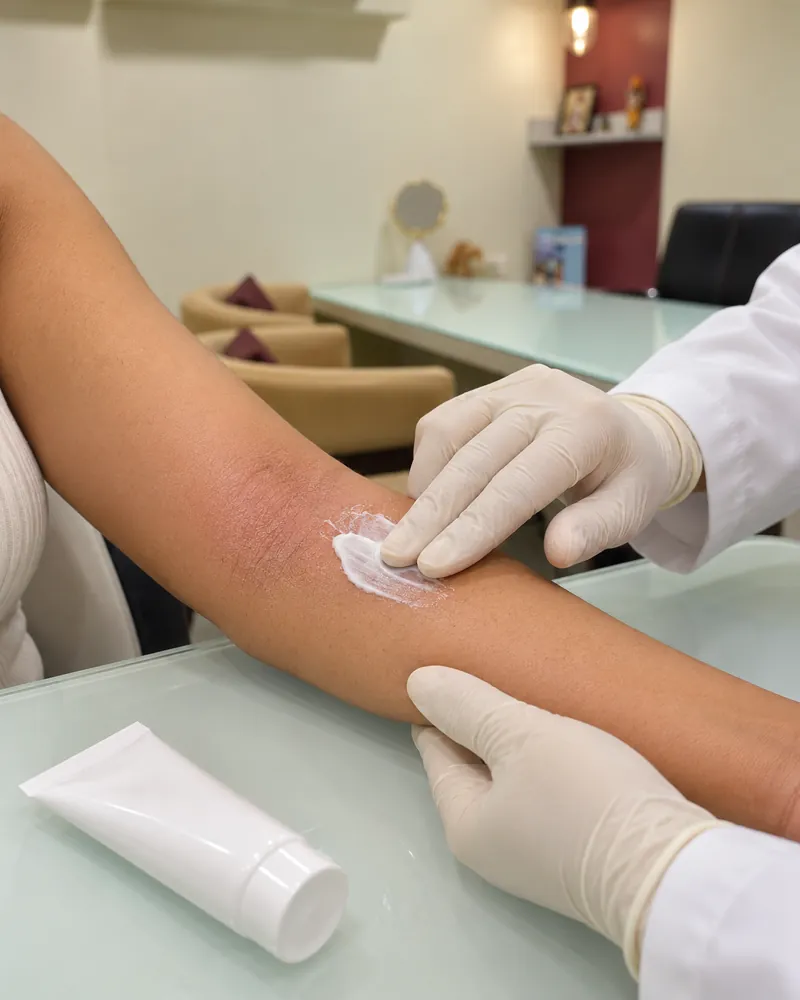
Eczema Treatment in Pune helps manage itching, redness, dryness, and skin irritation with advanced skin care. Professional skin specialists provide personalized treatments to improve skin comfort, reduce flare-ups, and restore healthier-looking skin.
4.8 on Google · 10K patients · Safe for Indian skin tones
Written & Medically Reviewed by Dr. Avanti Pedamkar
Price
Price on consultation
Good for
All ages
Helps with
Itching and flare-ups
Home care
Daily moisturising
01 · Cost
Eczema Treatment Cost in Pune
Eczema
Price on consultation
What it is
Eczema treatment in Pune
Eczema, also known as Atopic Dermatitis, is a prevalent skin condition characterized by inflammation and irritation of the skin. It often involves intense itching, which leads to scratching, resulting in various symptoms such as redness, swelling, cracking, oozing of clear fluid, crusting, and scaling of the skin. The condition can be quite uncomfortable and can significantly impact a person’s quality of life.
Eczema is a chronic condition that tends to flare up periodically and can affect people of all ages, from infants to adults. It is believed to be caused by a combination of genetic, environmental, and immune system factors. Common triggers for eczema flare-ups include exposure to irritants, allergens, changes in weather or humidity, stress, and certain foods.
How it works
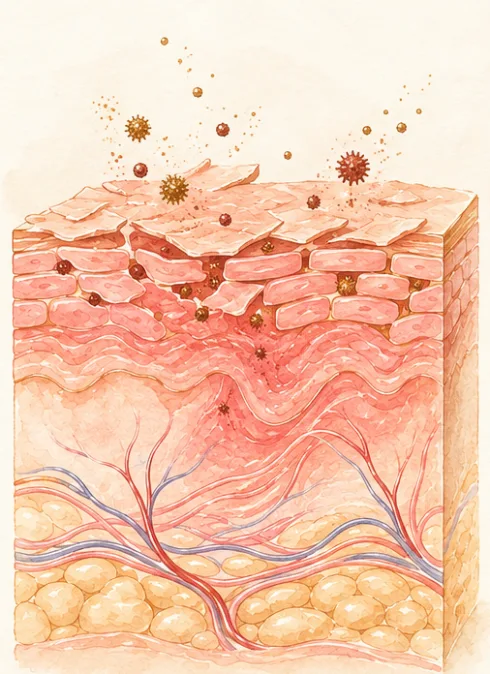
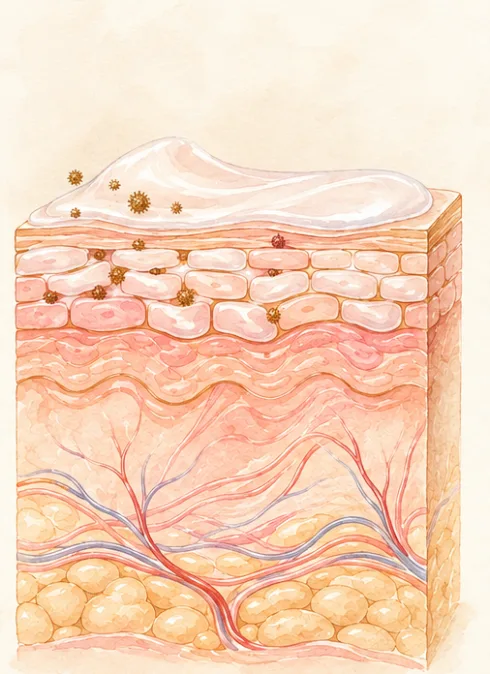
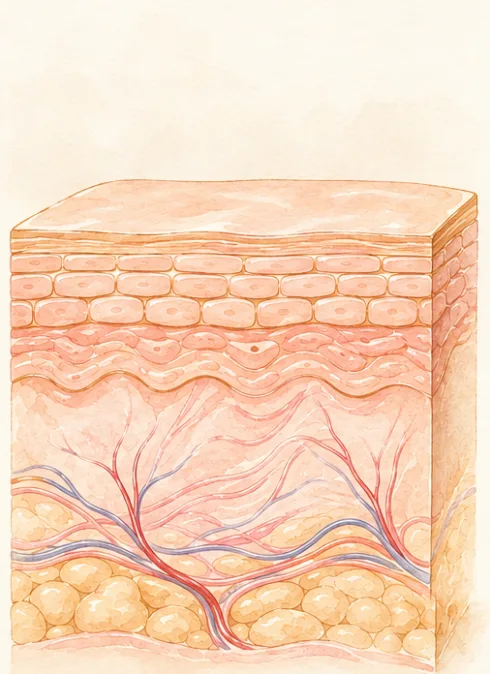
How skin condition treatment works
1
Weak barrier
A weak skin barrier lets irritants in.
2
Barrier repaired
Treatment calms it and repairs the barrier.
3
Healthy skin
Calm, healthy skin.
02 · Symptoms
Symptoms of eczema
Symptom
What it looks like
Intense itching
One of the hallmark symptoms of eczema is severe itching, which can be relentless and lead to significant discomfort.
Redness and swelling
The affected skin may appear red, inflamed, and swollen, particularly during flare-ups.
Cracked and dry skin
Eczema can cause the skin to become dry, cracked, and rough, especially in areas that are frequently scratched.
Oozing and crusting
In severe cases, eczema lesions may ooze clear fluid and form crusts or scabs.
Scaling and thickening
Over time, repeated scratching can lead to thickened, scaly patches of skin.
03 · Treatments
Treatment options for eczema
Emollients
Emollients are products that moisturize and soften dry skin. Apply emollients generously at least 3 times a day all over the body. Apply gently in the direction of hair growth. Apply within 3 minutes of getting out of the bath to ‘lock in the moisture’.
Antihistamines
Oral antihistamines may be recommended to relieve itching and promote better sleep.
Avoiding triggers
Identifying and avoiding triggers that exacerbate eczema symptoms can help to prevent flare-ups. This may involve avoiding certain foods, irritants, allergens, or environmental factors.
Stress management
Stress can exacerbate eczema symptoms, so techniques such as relaxation exercises, meditation, or counseling may be helpful.
General measures
Keep fingernails short to prevent infections from scratching. Try not to scratch. Wear cotton clothes where possible and avoid woolen material.
04 · Suitability
Is it right for you?
Advisory · Talk to Dr Avanti first if you
Are pregnant or breastfeeding
Have other health issues (pre-existing conditions)
Free call back
Not sure which treatment suits you? Book a skin check with Dr Avanti
Or WhatsApp us →05 · Good to know
Good to know before you book
Post-treatment care
After treatment, it’s essential to take care of your skin to prevent flare-ups:
Keep the Skin Moisturized: Continue using moisturizers regularly to keep the skin hydrated and prevent dryness.
Avoid Triggers: Identify and avoid triggers that can exacerbate eczema, such as certain fabrics, soaps, or environmental factors.
Maintain Good Hygiene: Practice good hygiene by bathing regularly with lukewarm water and using mild, fragrance-free soaps.
Use Prescribed Medications: If your doctor has prescribed medications, continue using them as directed to manage symptoms effectively.
Protect the Skin: Protect your skin from harsh weather conditions by wearing appropriate clothing and using moisturizers with SPF when outdoors.
Regular skin care for eczema management
Despite its chronic nature, atopic dermatitis can be well controlled with regular skin care. Establishing a consistent skincare routine is crucial in managing eczema symptoms and preventing flare-ups. This includes:
Hydrating the Skin: Regularly moisturizing the skin helps to maintain its natural barrier function and prevent dryness, reducing the risk of flare-ups.
Using Mild, Fragrance-Free Products: Gentle skincare products that are free from harsh chemicals and fragrances are recommended to minimize irritation.
Avoiding Triggers: Identifying and avoiding triggers that exacerbate eczema symptoms, such as certain fabrics, soaps, detergents, or environmental allergens, is essential.
Managing Stress: Stress can worsen eczema symptoms, so stress management techniques such as relaxation exercises, meditation, or yoga may be beneficial.
When to seek help
Persistent or Severe Symptoms: If you have persistent itching, redness, or severe symptoms like skin cracking or bleeding, it’s time to see a professional.
Sleep Disturbance: If eczema is affecting your sleep, seek help to improve your quality of rest.
Difficulty Managing: If you find it hard to manage eczema on your own, or if it impacts your daily life, consult a healthcare provider.
Mental Health Impact: Eczema can affect mental health. If you feel anxious or depressed, seek support.
New or Recurring Flare-Ups: New or frequent flare-ups, especially sudden ones, should prompt a visit to Dr Avanti.
Concerns About Medication: If you’re worried about eczema medications, discuss your concerns with a healthcare provider.
Pre-existing Conditions: If you have other health issues, it’s wise to consult a professional for comprehensive care.
06 · Why Avanti
Why Choose Avanti Skin Clinic?
Chosen by a doctor
Your skin is checked first, so the treatment matches the real cause, not just the surface.
Medical-grade care
Clinic-strength products and technology, chosen by Dr Avanti.
Safe for Indian skin
Settings and products are picked to avoid irritation and dark marks.

Your doctor
Dr Avanti Pedamkar
Dr. Avanti Pedamkar is a seasoned Aesthetic Physician renowned for her expertise in skincare and aesthetics. With a focus on facial aesthetics and clinical cosmetology, she excels in enhancing natural beauty.
Dr. Avanti’s proficiency extends to Permanent Makeup (PMU), Laser, Advanced Medical Skin Aesthetics, and Medical Trichology, showcasing a holistic approach to patient care. Her hands-on experience and commitment to staying abreast of the latest skincare, hair care, and laser care treatments.
Meet Dr Avanti →Client success stories
What our clients say


Read more
More about eczema in Pune
Read the full guide
Causes and risk factors
Eczema, also known as atopic dermatitis, is a complex condition with multiple contributing factors. While the exact cause of eczema is not fully understood, it is believed to be a combination of genetic, environmental, and immune system factors.
Genetic predisposition
Eczema tends to run in families, suggesting a genetic component to the condition. Individuals with a family history of eczema, asthma, or allergic rhinitis (hay fever) are more likely to develop eczema themselves. Specific genes related to skin barrier function and immune response are thought to play a role in eczema development.
Impaired skin barrier
In individuals with eczema, the skin’s natural barrier function is compromised. This allows irritants, allergens, and microbes to penetrate the skin more easily, leading to inflammation and allergic reactions.
Factors that can weaken the skin barrier include:
Dry skin: Lack of moisture in the skin can disrupt the protective barrier.
Damage to the skin: Scratching, harsh soaps, or frequent bathing can damage the skin barrier.
Environmental factors: Cold weather, low humidity, and exposure to irritants or allergens can further compromise the skin barrier.
Immune system dysfunction
Eczema is associated with an overactive immune response, leading to inflammation and irritation of the skin. The immune system may react abnormally to certain triggers, such as allergens or environmental factors, causing an inflammatory response in the skin.
Environmental factors
Certain environmental factors can trigger or exacerbate eczema symptoms. These include:
Allergens: Common allergens such as dust mites, pet dander, pollen, and mold can trigger eczema flare-ups in susceptible individuals.
Irritants: Harsh soaps, detergents, perfumes, and certain fabrics can irritate the skin and worsen eczema symptoms.
Weather: Cold, dry weather in winter or hot, humid weather in summer can aggravate eczema symptoms.
Microbes: Bacteria, viruses, and fungi on the skin can trigger inflammation in individuals with eczema.
Hormonal changes
Hormonal changes such as those that occur during puberty, pregnancy, or menstruation, can affect eczema symptoms. Fluctuating hormone levels may influence the immune system and skin barrier function, leading to changes in eczema severity.
Next step
Book your visit
Book Your Eczema Consultation
The information on this page is for general informational purposes only and is not a substitute for professional medical advice, diagnosis, or treatment. Always consult Dr. Avanti Pedamkar or a qualified Aesthetic Physician before undergoing any skin or laser treatment. Individual results may vary.
Explore more
Related treatments and concerns
Concern
Skin disease →Concern
Fungal infection →Concern
Hyperhidrosis →Concern
Pigmentation →Can't visit?
Online skincare consultation →