

Alopecia Areata Symptoms and Management
Alopecia areata is a common autoimmune condition that causes hair loss on the scalp, face, or other parts of the body. Recognizing areata alopecia symptoms early is essential for proper diagnosis and treatment. The condition manifests in different ways, and its severity can vary from small patches of hair loss to total loss of body hair.
Understanding alopecia disease symptoms and identifying them can help greatly in minimizing its impact on daily life. Below, we explore the symptoms of alopecia hair loss, its triggers, and available treatment options to manage it successfully.
What is Alopecia Areata?
Alopecia areata is an autoimmune disorder where the immune system attacks hair follicles, leading to hair loss. It can occur in anyone but often manifests in early adulthood. While its exact cause remains unknown, genetic predisposition, stress, or environmental factors can trigger the condition.
Variants like alopecia totalis symptoms (complete scalp hair loss) and alopecia universalis symptoms (complete body hair loss) represent severe forms of the disease. For more localized cases, such as hair loss in facial areas, understanding alopecia barbae symptoms (beard-specific alopecia) is crucial for targeted treatment.
Early Signs and Symptoms of Alopecia Areata
Recognizing early signs of alopecia areata can help in initiating timely interventions. Below are some of the most common signs of alopecia areata:
- Patchy Hair Loss: Small, round, or oval bald spots on the scalp or body are the hallmarks of the condition.
- Sudden Hair Shedding: Hair may fall out in clumps over a short period.
- Exclamation Mark Hairs: Short, broken hairs near the edge of bald patches are often a distinct feature.
- Nail Changes: Pitting, ridging, or brittleness in nails can sometimes accompany hair loss.
- Localized Itching or Tingling: Some individuals experience mild scalp irritation or tingling before hair loss.
For women, alopecia areata symptoms in females may initially appear as thinning hair or small bald patches on the crown. For men, alopecia areata symptoms in males are commonly observed as patchy beard or scalp hair loss.
Common Variants and Their Symptoms
- Alopecia Totalis Symptoms:
- Complete loss of scalp hair.
- Sudden progression from patchy hair loss to full baldness.
- Alopecia Universalis Symptoms:
- Loss of all body hair, including eyelashes, eyebrows, and facial hair.
- Associated with increased sensitivity to environmental factors.
- Ophiasis Alopecia Symptoms:
- Hair loss in a band-like pattern around the scalp’s sides and lower back.
- Alopecia Barbae Symptoms:
- Patchy bald spots in the beard area.
- Can expand to cover the entire beard if untreated.
How is Alopecia Areata Diagnosed?
A dermatologist typically begins by examining the scalp or affected areas and reviewing the patient’s medical history. Sometimes, a biopsy of the scalp may be performed to confirm the diagnosis. Nail changes or accompanying autoimmune conditions are also considered during evaluation.
Treatment Options for Alopecia Areata
While there is no permanent cure for alopecia areata, several treatments can help regrow hair and manage symptoms:
- Topical Treatments:
- Corticosteroid creams or ointments to reduce inflammation.
- Minoxidil to stimulate hair regrowth.
- Oral Medications:
- Corticosteroid pills for severe cases.
- Immunosuppressants to address autoimmune responses.
- Injections:
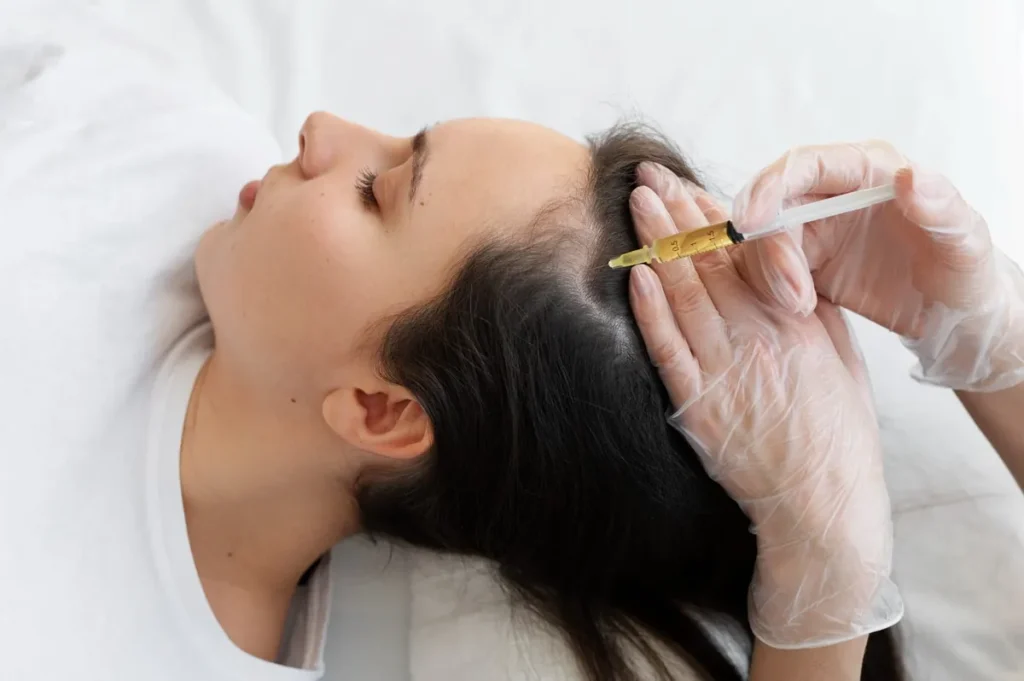
- Corticosteroid injections directly into bald patches.
- Light Therapy:
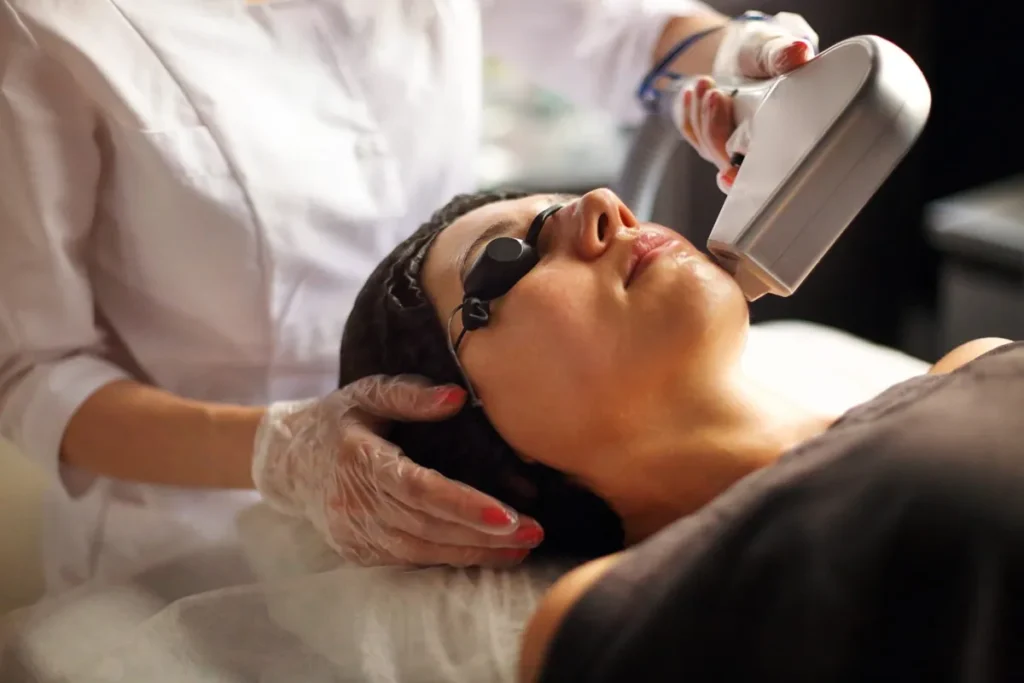
- Phototherapy using UV light to stimulate hair follicles.
- Lifestyle Adjustments:
- Stress management and maintaining a balanced diet.
When to Seek Medical Attention
If you experience persistent hair loss or observe early stage alopecia areata symptoms, consult a dermatologist immediately. Early intervention can significantly improve outcomes, especially for severe cases like alopecia universalis symptoms or ophiasis alopecia symptoms.
- Rapid or Extensive Hair Loss:
- If you notice large patches of hair falling out suddenly or if the hair loss progresses rapidly, consult a dermatologist immediately.
- Associated Symptoms:
- If your hair loss is accompanied by symptoms like redness, itching, or pain in the scalp, these could indicate an underlying condition that needs attention.
- Signs of Alopecia Universalis or Totalis:
- Complete hair loss on the scalp or the entire body, including eyebrows, eyelashes, and other areas, may signal alopecia universalis or totalis. Early treatment is crucial in such cases.
- Psychological Distress:
- Hair loss can have a significant emotional impact. If you’re experiencing anxiety, depression, or low self-esteem due to alopecia, seeking professional help is important.
- Lack of Hair Regrowth:
- If patches remain bald for an extended period without signs of regrowth, medical evaluation and treatment options should be explored.
Early intervention can help slow down hair loss and improve the likelihood of regrowth. Consulting a dermatologist ensures a tailored treatment plan and provides guidance on managing alopecia areata effectively.
Managing Alopecia Areata Effectively
Alopecia areata can be emotionally challenging, but understanding the signs and symptoms of alopecia areata and seeking timely treatment can make a significant difference. For localized conditions like alopecia barbae symptoms, early diagnosis helps prevent worsening.
Choose Avanti Skin Clinic for Alopecia Areata Treatment
For your alopecia areata treatment, Avanti Skin Clinic in Pune can be an ideal option. We can help you with modern treatment choices, specialised knowledge, individualised care, a track record of success, and a state-of-the-art facility.
You can easily use our contact details to set up an appointment with Dr. Avanti for Treatment of Alopecia Areata. You can use our clinic phone number, WhatsApp, or the form below to get in touch with us and arrange an appointment for a consultation.
Frequently Asked Questions
What are the early signs of alopecia areata?
Patchy hair loss, sudden shedding, and exclamation mark hairs near bald spots are key early signs.
What are common alopecia areata symptoms in females?
Thinning hair on the crown and small bald patches on the scalp are frequently observed in women.
How do symptoms of alopecia hair loss differ in males?
Men often experience patchy hair loss on the scalp, beard, or moustache areas.
Is alopecia areata reversible?
While hair regrowth is possible with treatment, the condition can relapse.
What are ophiasis alopecia symptoms?
It involves band-like hair loss around the sides and lower back of the scalp.