

Uneven patches of dark skin on the face can be distressing, especially when they appear suddenly and don’t fade easily. One of the most common reasons behind this concern is hormonal pigmentation on face. Unlike regular tanning or post-acne marks, these dark patches are triggered by internal changes in the body, often linked to hormones.
In this article, we’ll explore the causes of hormonal face pigmentation, how hormones and pigmentation are connected, and the best hormonal pigmentation treatments available today.
What is Hormonal Pigmentation?
Hormonal pigmentation refers to skin darkening caused by imbalances or fluctuations in hormones, particularly oestrogen and progesterone. These hormones can stimulate melanocytes — the cells responsible for producing melanin (skin pigment). When melanin production increases unevenly, it leads to dark patches known as hormonal skin pigmentation.
This condition is medically called melasma and is especially common in women. It often appears on the cheeks, forehead, nose, and upper lip.
Hormonal Hyperpigmentation: A Definition
The most common kind of pigmentation caused by hormonal imbalance is hormonal hyperpigmentation on the face and other body areas. Pregnant women experience this because their hormone imbalances worsen during this time.
Typical Hormonal Hyperpigmentation Types
Hyperpigmentation is associated with hormones. The latter appears as a result of an imbalance in the former. Melasma and chloasma are two of the most prevalent types of hormonal hyperpigmentation that occur during pregnancy. When someone with cholasma or melasma spends a lot of time in the sun, these symptoms worsen. Affected areas include the forehead, upper lip, nose bridge, and cheeks. Hyperpigmentation is also common in patients receiving hormone replacement treatment.
Hormonal Hyperpigmentation Causes
The human body experiences hormonal changes at various periods throughout life. Hormonal imbalances occur, for example, during menopause, pregnancy, and puberty. Numerous body functions, such as development, metabolism, mood, and reproduction, are regulated by hormones. Additionally, it may cause unjustified pigmentation. To find out more, please read on:
Causes of Hormonal Hyperpigmentation
Understanding hormones and hyperpigmentation is key to managing the issue. Common triggers include:
- Pregnancy Often called the “mask of pregnancy” or chloasma, pigmentation during pregnancy is caused by hormonal surges.
- Oral Contraceptives Birth control pills alter hormonal levels, which may trigger hormonal hyperpigmentation in some women.
- Hormonal Disorders Conditions like PCOS (Polycystic Ovary Syndrome), thyroid issues, or adrenal imbalances can cause hormonal and skin pigmentation changes.
- Menopause Hormonal fluctuations during menopause can sometimes cause dark patches on the face.
- Sun Exposure While hormones are the main cause, UV rays worsen pigmentation by activating melanin production.
- Stress and Lifestyle Stress-related hormonal imbalances may also contribute to pigmentation.
How Hormones and Skin Pigmentation are Linked
The link between hormones and pigmentation lies in how hormones influence melanocytes. Increased oestrogen and progesterone stimulate melanocytes to produce more melanin. When this happens unevenly, dark patches appear, leading to hormonal face pigmentation.
This explains why melasma often worsens with pregnancy, hormonal medications, or conditions affecting hormone balance.
Symptoms of Hormonal Hyperpigmentation
If you’re experiencing hormonal pigmentation on your face, you may notice:
- Brown, grey-brown, or black patches.
- Symmetrical patterns, often on both cheeks.
- Areas of pigmentation on the forehead, upper lip, or jawline.
- Worsening of pigmentation after sun exposure.
These signs help differentiate hormonal skin pigmentation from acne scars or other types of pigmentation.
How to Treat Hyperpigmentation Due to Hormonal Imbalance
The good news is that there are several effective ways for hormonal hyperpigmentation treatment. Let’s explore:
1. Topical Treatments
Dermatologists often prescribe creams or serums containing:
- Hydroquinone – A skin-lightening agent that reduces pigmentation.
- Retinoids – Improve cell turnover and fade dark spots.
- Vitamin C – Antioxidant that brightens skin and protects from further damage.
- Niacinamide – Reduces melanin transfer to skin cells.
2. Oral Medications
In some cases, supplements like antioxidants or medications to regulate hormones may be recommended.
3. In-Clinic Procedures
For stubborn cases, dermatologists suggest professional hormonal pigmentation treatments such as:
- Chemical Peels – Remove the top pigmented layers of skin.
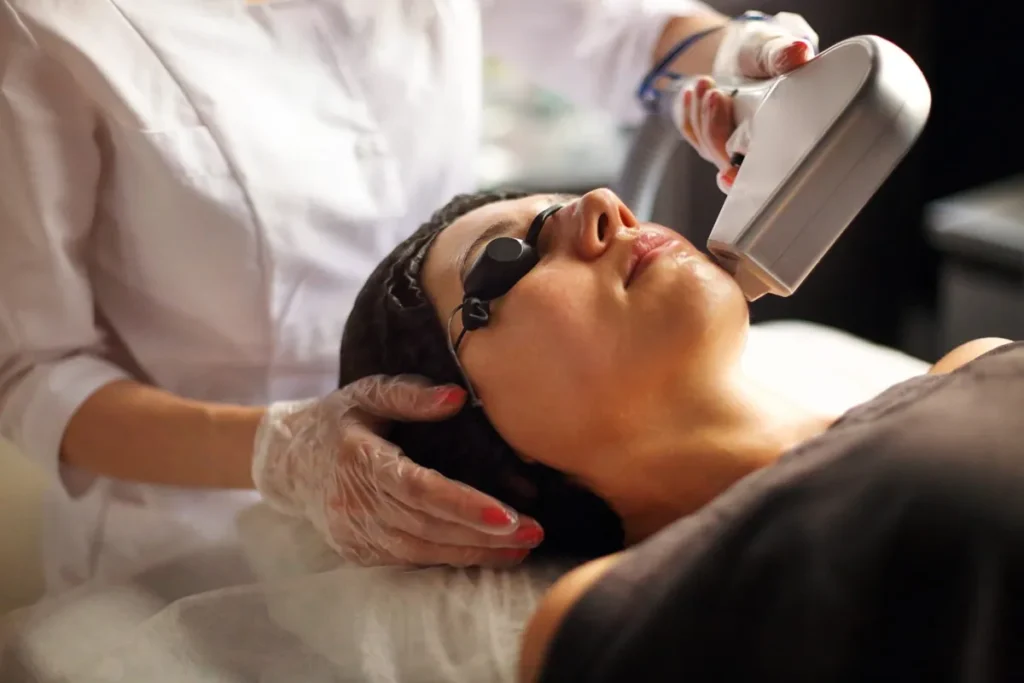
- Laser Therapy – Targets melanin and breaks down pigment.
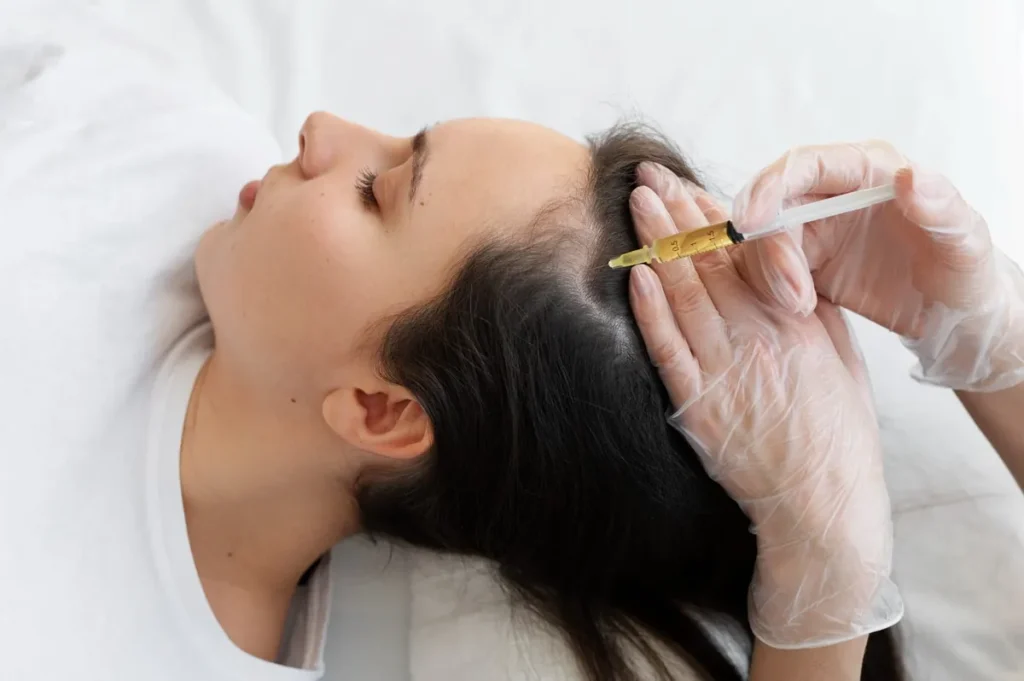
- Microneedling with serums – Stimulates repair and improves absorption of brightening agents.
- PRP therapy – Promotes healing and rejuvenation.
4. Sun Protection
Daily use of sunscreen (SPF 30 or higher) is crucial. Without sun protection, even the best hormonal hyperpigmentation treatment will fail to give lasting results.
Preventing Hormonal Hyperpigmentation
While it may not always be preventable, you can reduce the severity of hormonal hyperpigmentation with these steps:
- Wear broad-spectrum sunscreen daily.
- Use wide-brimmed hats or scarves outdoors.
- Manage stress with yoga, meditation, or breathing exercises.
- Eat a diet rich in antioxidants like berries, spinach, and nuts.
- Consult your doctor before starting or stopping hormonal medications.
When to See a Dermatologist
If you’re unsure how to treat hyperpigmentation due to hormonal imbalance, professional guidance is important. See a dermatologist if:
- Pigmentation worsens despite home care.
- Dark patches spread to other parts of the body.
- Over-the-counter products don’t work after months of use.
- You have hormonal conditions like PCOS or thyroid issues.
Dermatologists can provide personalised hormonal hyperpigmentation treatment tailored to your skin type and condition.
Final Thoughts
Dealing with hormonal pigmentation on the face can be frustrating, but with the right care and treatments, it is manageable. The connection between hormones and hyperpigmentation is strong, which is why simply using creams is not always enough — balancing hormones and protecting your skin is key.
From medical treatments like peels and lasers to supportive hormonal pigmentation treatments at home, a consistent plan can fade patches and restore confidence. If you’re struggling, don’t hesitate to seek professional advice to get the best long-term results.
What is hormonal facial pigmentation?
It’s skin darkening caused by hormonal changes, often appearing as melasma or uneven patches on the face.
What causes hormonal pigmentation on the face?
Triggers include pregnancy, contraceptives, thyroid imbalance, or hormonal fluctuations.
Is hormonal pigmentation permanent?
Not always – with proper treatment and care, the pigmentation can fade significantly over time.
Which treatments help reduce hormonal pigmentation?
Options include chemical peels, laser therapy, topical creams, and advanced skin-brightening procedures.
Can home remedies improve hormonal pigmentation?
Natural remedies may help mildly, but medical treatments are usually more effective for lasting results.
Does sun exposure make hormonal pigmentation worse?
Yes, UV rays can darken the patches, so daily use of broad-spectrum sunscreen is essential.
How long does it take to see results from pigmentation treatment?
Visible improvements may take several weeks to months, depending on the chosen therapy and severity.