

What to Avoid When Taking Glutathione IV
Glutathione IV therapy, often known as a gluta drip, has become one of the most sought-after treatments for skin lightening, detoxification, and overall wellness. While the results can be promising, success depends not just on the treatment itself but also on how you care for your body during the process. Many people wonder: what to avoid when taking glutathione IV?
In this blog, we’ll provide a comprehensive guide on what to avoid when having gluta drip, along with dermatologist-backed tips to ensure maximum benefits and safety.
A Quick Look at Glutathione IV (Gluta Drip)
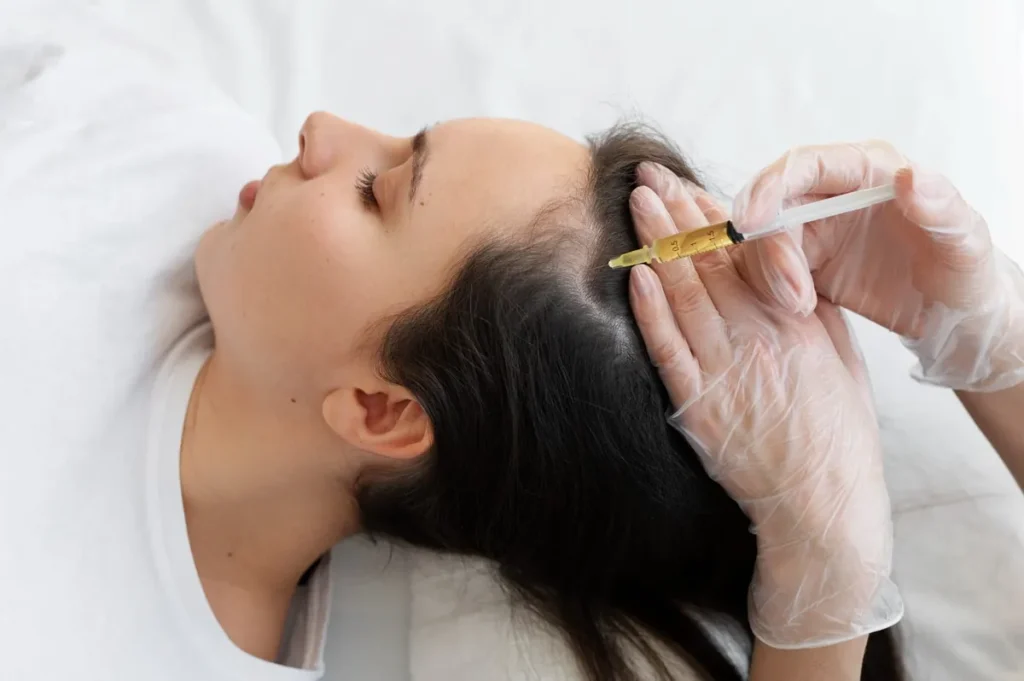
Glutathione is a powerful antioxidant naturally produced in the body. It plays a vital role in detoxifying harmful substances, improving immunity, and promoting brighter, healthier skin. In glutathione IV therapy, the antioxidant is delivered directly into the bloodstream, allowing for faster absorption and more effective results compared to oral supplements.
Known popularly as a gluta drip, this treatment is administered under medical supervision and often combined with vitamin C for enhanced results.
Why Care After Treatment Matters
Even though glutathione IV is generally safe, your lifestyle and habits can significantly influence its effectiveness. Following medical advice and knowing what to avoid when taking glutathione drip can help you:
- Achieve visible results faster
- Minimise side effects
- Maintain long-term skin and health benefits
What to Avoid When Taking Glutathione IV
Let’s break down the most important things you should avoid during and after your gluta drip sessions.
1. Avoid Smoking
Cigarettes contain free radicals and toxins that deplete glutathione levels in the body. Smoking directly counteracts the treatment by:
- Increasing oxidative stress
- Slowing down detoxification
- Reducing skin-brightening results
If you’re undergoing treatment, quitting smoking is strongly recommended.
2. Avoid Excessive Alcohol
Alcohol places a heavy burden on the liver, which is also where glutathione works actively to detoxify. Consuming alcohol during the treatment period can:
- Lower glutathione levels in the body
- Weaken the liver’s detox process
- Reduce the skin-brightening and health benefits
Limiting or avoiding alcohol ensures that your gluta drip works effectively.
3. Avoid Processed and Oily Foods
Your diet plays a major role in the success of IV therapy. Processed foods high in sugar, trans fats, and preservatives increase free radicals, leading to oxidative stress. To support your treatment:
- Avoid deep-fried snacks, sugary desserts, and junk food.
- Focus on fresh fruits, vegetables, whole grains, and lean proteins.
This prevents nutrient imbalance and boosts glutathione’s natural action.
4. Avoid Excess Sun Exposure
One of the main reasons people take glutathione is to achieve a lighter, more even skin tone. However, spending long hours under harsh sunlight without protection can reverse the benefits.
- Always wear sunscreen (SPF 30+) during the day.
- Use hats, sunglasses, and scarves for added protection.
- Avoid peak sun hours between 11 am and 3 pm.
This step is essential when considering what to avoid when taking gluta drip.
5. Avoid Stress and Sleep Deprivation
Chronic stress and lack of rest increase free radical production in the body, reducing glutathione levels naturally. Poor sleep weakens the immune system and slows down skin repair. For best results:
- Get 7–8 hours of quality sleep.
- Practise meditation, yoga, or breathing exercises.
- Maintain a healthy work-life balance.
6. Avoid Skipping Medical Advice
Every patient’s skin type, health status, and goals are unique. Skipping check-ups or self-medicating can be risky. Always:
- Follow your dermatologist’s guidance.
- Stick to recommended dosages and frequency.
- Inform your doctor of any side effects immediately.
This ensures your treatment is both safe and effective.
Glutathione for the skin
Injectable glutathione is used by some people to cover up dark spots or lighten their skin. However, there is scant evidence that glutathione can alter the color of the skin. Furthermore, the FDA cautions using injectable glutathione for your skin may be dangerous in the Philippines, where the practice is common. According to the EPA, it may have harmful effects on the liver, kidneys, and nervous system.
For the liver, glutathione
It is believed that glutathione helps the liver rid itself of poisons. Additionally, it might shield your liver from harm.
According to one small trial, liver enzyme indicators improved in patients with nonalcoholic fatty liver disease who received glutathione orally for four months. According to other studies, liver function tests improved in patients with liver disease who received large intravenous doses of glutathione.
Weight loss and glutathione
According to some research, glutathione may aid in weight loss. According to one study, obese individuals with higher glutathione levels lost more weight after six months of adhering to a balanced diet.
Additional Tips for Better Results
Alongside avoiding the above, here are some positive practices to adopt during your glutathione IV therapy:
- Stay hydrated – Drink 8–10 glasses of water daily to aid detoxification.
- Take supportive vitamins – Vitamin C and B-complex vitamins enhance glutathione absorption.
- Eat antioxidant-rich foods – Blueberries, spinach, broccoli, and green tea support natural glutathione production.
- Exercise moderately – Improves blood circulation and helps nutrients reach your skin effectively.
What to Avoid While Taking Gluta Drip: Common Myths
Many people fall for myths about what to avoid while taking gluta drip. Let’s clarify:
- Avoiding dairy is not necessary unless you are lactose intolerant.
- You don’t have to avoid exercise, but avoid overtraining that may increase oxidative stress.
- Avoiding all makeup isn’t required, but use gentle, non-comedogenic products to prevent irritation.
The key is moderation and balance, not extreme restrictions.
Possible Side Effects of Not Following Care
Ignoring advice on what to avoid when taking glutathione drip can lead to:
- Reduced effectiveness of the treatment
- Delayed or uneven results
- Potential liver strain if alcohol and junk foods are consumed excessively
- Increased risk of pigmentation or sun damage without proper sun protection
Hence, small lifestyle adjustments can make a huge difference.
Final Thoughts
Glutathione IV or gluta drip therapy can deliver brighter skin, stronger immunity, and overall wellness — but only if you support it with the right lifestyle. Knowing what to avoid when having gluta drip is just as important as the treatment itself.
To summarise, avoid smoking, alcohol, processed foods, excess sun exposure, and irregular sleep. Combine your therapy with hydration, nutrition, and proper medical guidance to see the best results.
If you’re considering this treatment, always consult a certified dermatologist or aesthetic doctor for a safe and effective experience.